

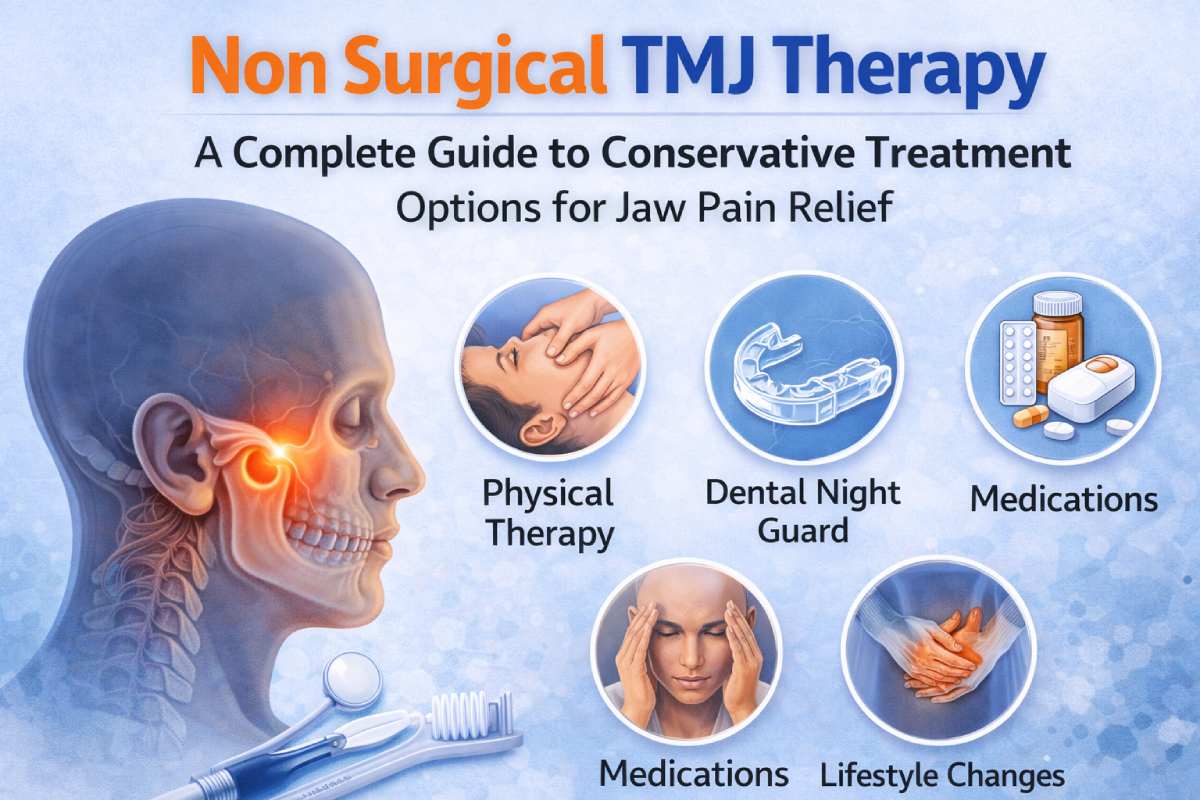
Meet the people behind this publication


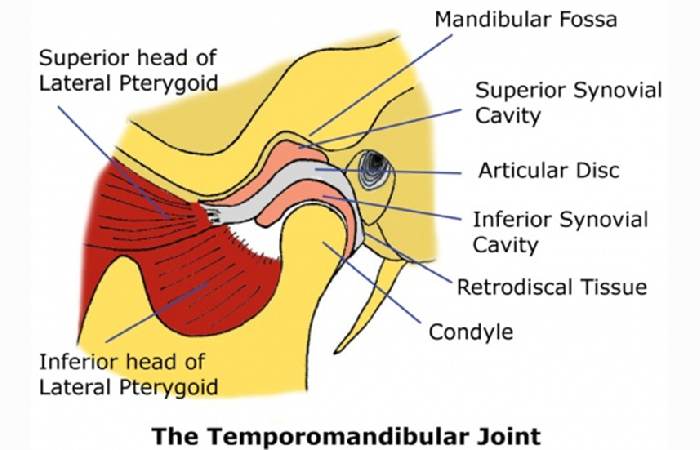
Temporomandibular Joint Disorder (TMD) is a functional condition affecting the jaw joint and the surrounding neuromuscular system responsible for chewing, speaking, and facial movement. Temporomandibular disorders are medically defined as a group of more than 30 conditions affecting the jaw joint and muscles controlling jaw movement, often causing pain and functional limitation: National Institute of Dental and Craniofacial Research — TMD Overview. The temporomandibular joint (TMJ) connects the mandible (lower jaw) to the temporal bone of the skull and acts as a sliding hinge joint that enables complex movements such as rotation and translation.
When this biomechanical system becomes dysfunctional, patients may experience:
Recent clinical reviews indicate that TMJ disorders encompass more than 30 musculoskeletal and neuromuscular conditions affecting jaw function and orofacial pain pathways.
While surgical interventions are available, contemporary dental medicine strongly recommends non surgical TMJ therapy as the first-line treatment protocol due to its lower risk profile and cost-effectiveness. Clinical research consistently recommends conservative, reversible treatments as the primary management approach before considering surgery: Systematic Review on Conservative Management of TMD.
Evidence-based meta-analysis shows that conservative TMJ treatments such as splint therapy, physiotherapy, posture training, pharmacotherapy, and behavioral therapy demonstrate:
| Clinical Outcome | Improvement with Non Surgical Therapy |
| Pain Reduction | Statistically significant |
| Mouth Opening Capacity | Improved (P = 0.0138) |
| Functional Dysfunction | Reduced (P = 0.0007) |
| Muscle Hyperactivity | Decreased |
Non-surgical treatments are also reported to have an approximate 70% success rate in managing initial TMJ symptoms without requiring invasive intervention.
In clinical dentistry, this conservative approach is often referred to as reversible therapy, meaning it does not permanently alter joint structure, occlusion, or skeletal alignment.
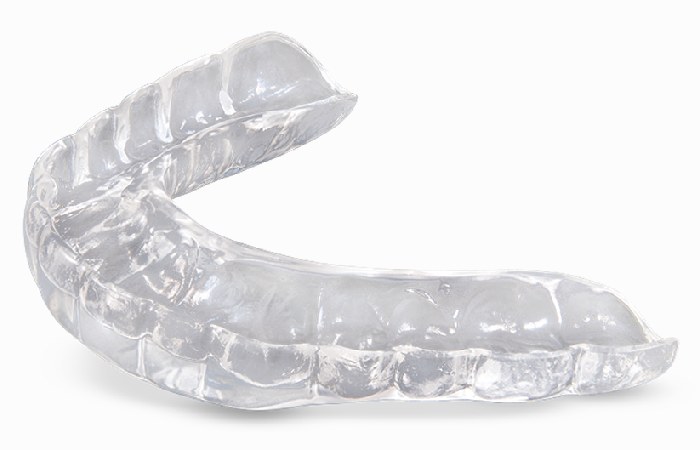
Occlusal splints are intraoral appliances designed to:
Their biomechanical function lies in restoring neuromuscular equilibrium within the masticatory system, thereby minimizing abnormal joint loading and preventing degenerative changes.
Properly conducted splint therapy has demonstrated:
Physiotherapeutic rehabilitation targets muscular imbalance and joint mobility limitations using:
Modalities such as:
can improve regional blood circulation and decrease inflammation within periarticular tissues.
Combination therapies integrating splints, physiotherapy, and behavioral counseling have shown substantial improvement in pain and functional outcomes compared to single-modality treatment.
Medication-based TMJ therapy is typically indicated in acute inflammatory or muscular spasm-dominant cases.
Common prescriptions include:
Pharmacotherapy is usually combined with mechanical or physiotherapeutic interventions for improved clinical outcomes.
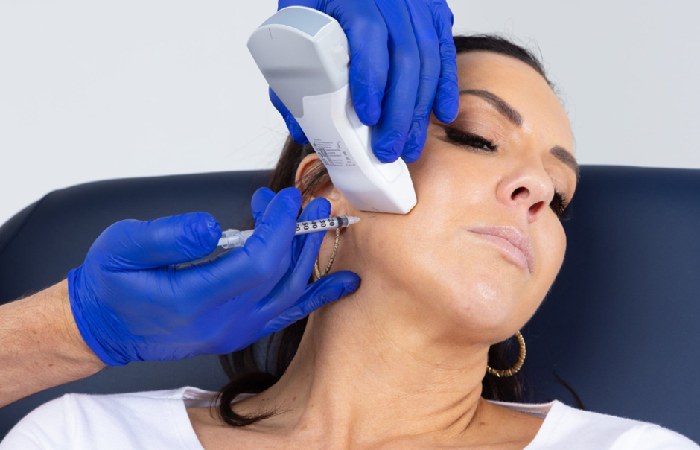
Botulinum toxin injections are used in muscle-dominant TMJ disorders to:
The procedure typically takes 10–30 minutes, with therapeutic effects lasting approximately 12 weeks. However, Botox does not correct underlying structural abnormalities and is considered a symptomatic relief modality rather than a curative treatment.
Below is an approximate pricing breakdown based on Indian dental healthcare data:
| Treatment Type | Average Cost (INR) |
| Consultation | ₹500 – ₹1,500 |
| Medication Course | ₹1,000 – ₹5,000 |
| Night Guard / Splint | ₹5,000 – ₹30,000 |
| Physiotherapy Session | ₹500 – ₹2,000 |
| Minor Bite Correction | ₹3,000 – ₹10,000 |
| Botox Injection | ₹15,000 – ₹40,000 |
Overall, non-surgical TMJ treatments typically range from ₹5,000 to ₹50,000, while surgical interventions may exceed ₹1,00,000 depending on complexity.
Typical financial distribution:
| Parameter | Non Surgical Therapy | Surgical Therapy |
| Invasiveness | Minimal | High |
| Recovery Time | 1–4 weeks | 2–6 months |
| Cost | ₹5,000 – ₹50,000 | ₹1L – ₹3.5L |
| Risk Level | Low | Moderate-High |
| Reversibility | Yes | No |
| First-Line Treatment | Recommended | Last Resort |
You may benefit from conservative TMJ management if you experience:
Non invasive TMJ therapy can:
Non surgical TMJ therapy represents a scientifically supported, cost-effective, and minimally invasive approach to managing temporomandibular disorders. By integrating occlusal splints, physiotherapy, medication, and adjunctive modalities such as Botox, clinicians can address both symptomatic pain and functional limitations without resorting to irreversible surgical procedures.
Given its high success rate and relatively low financial burden, conservative TMJ management remains the preferred initial treatment pathway for patients presenting with mild to moderate TMJ dysfunction.

Syed Sadiq is a health education content researcher who writes evidence-informed guides on symptoms awareness, preventive health habits, and digital safety topics affecting students and families. His articles focus on helping readers understand health-related information clearly before making decisions. Through DionHealthWeb, he publishes structured health-awareness content designed to support informed conversations between readers and healthcare professionals.