

Meet the people behind this publication


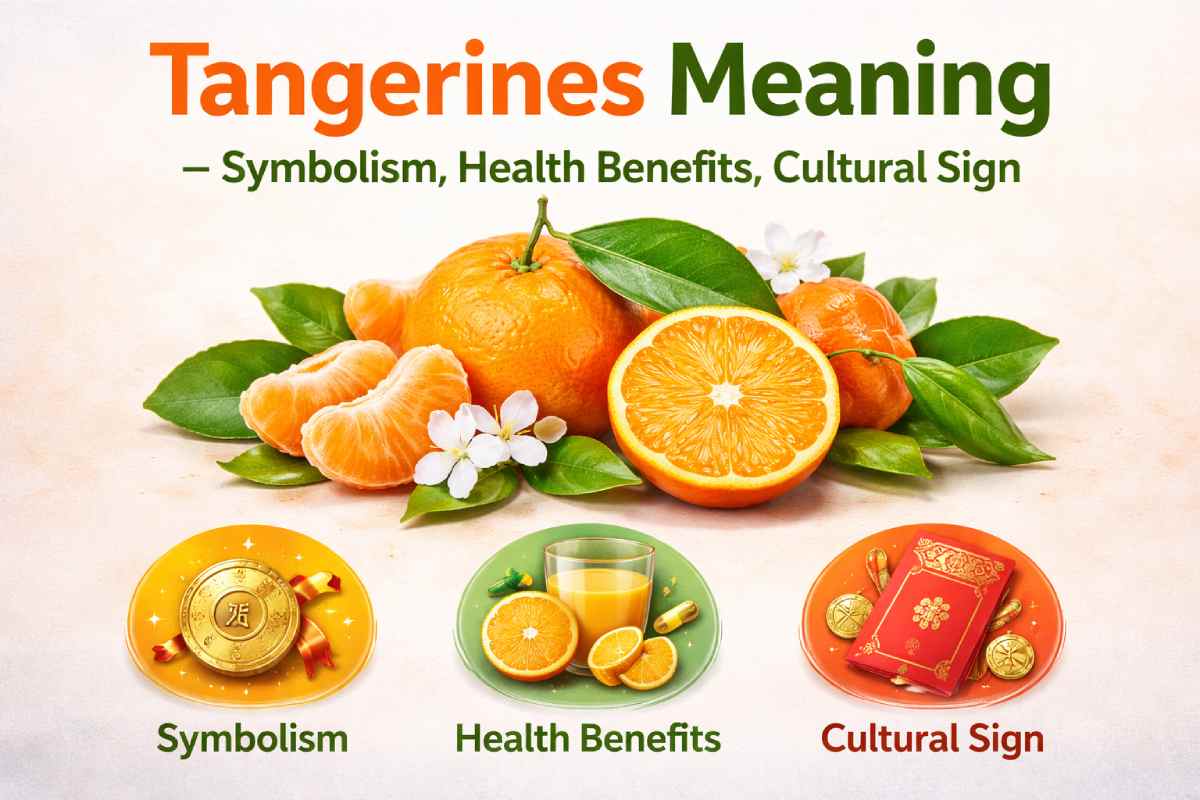
Tangerines meaning extends far beyond the fruit itself: from botanical definition and nutritional impact to cultural symbolism, psychological interpretation, and spiritual associations. In this exhaustive guide, you will discover what tangerines truly mean — in your diet, in tradition, in dreams, and as a global symbol of abundance and health.
This article belongs in Health TechnologyA tangerine is a type of citrus fruit closely related to the mandarin orange, distinguished by its bright orange color, sweet flavor, and easy-to-peel skin. Botanically, the term has shifted over time, but generally tangerines are classified as a group of mandarins or hybrids of Citrus reticulata. Botanical references classify tangerines as cultivars within the mandarin orange group (Citrus reticulata), known for their loose peel and distinctive sweet flavor profile: Tangerine botanical classification overview.
The word tangerine comes from “Tangier,” a port city in Morocco, reflecting how the fruit first entered European markets through that region. Thus, the name “tangerine” originally meant “of Tangier”.
Tangerines pack a meaningful punch of nutrition. Below is a breakdown of the nutrient profile for a medium tangerine (~88 g):
| Nutrient | Amount Per 1 Medium Tangerine |
| Calories | ~47 kcal |
| Carbs | 12 g |
| Dietary fiber | 2 g |
| Vitamin C | 26% DV |
| Vitamin A | 3% DV |
| Potassium | 3% DV |
| Fat | 0 g |
| Protein | 0.7 g |
DV: Daily Value. Source: Healthline.
Overall, tangerines are more than sweets — they’re functional nutrition. Research highlights that tangerines contain antioxidant flavonoids that may support immune defense, cardiovascular health, and protection against oxidative stress: Health benefits of tangerines explained.
In many East Asian cultures, tangerines are deep symbols of good fortune, wealth, and luck, particularly during the Lunar New Year. Their vibrant golden hue resembles gold, and in Mandarin the word for tangerine (jú) sounds like jí, meaning “auspicious” or “lucky.”
Cultural Practices
This symbolism blends both visual and linguistic layers: bright orange = wealth, homonyms = success.
Beyond the fruit itself, “tangerine” as a color evokes:
In design and therapy, tangerine hues are used to stimulate positive emotions and mental clarity.
Beyond diet and culture, tangerines appear in the world of dreams and personal interpretation.
Common Dream Themes
| Dream Element | Common Meaning |
| Eating tangerines | Health, pleasure, nourishment |
| Many tangerines | Abundance, good fortune |
| Picking tangerines | Active pursuit of opportunity |
| Peeled fruit in dreams | Readiness and ease in life |
Interpretations often link tangerines with abundance, vitality, and positivity in waking life.
To make this article useful for readers seeking practical information (e.g., pricing, market context), here’s a comparative snapshot of tangerines relative to other citrus fruits in typical retail markets.
Note: Prices fluctuate by region and season; the table reflects general patterns seen in open market surveys.
| Fruit | Average Price per kg (USD) | Season | Ease of Peel |
| Tangerines | $1.50–$3.00 | Winter–Spring | Very easy |
| Oranges | $1.20–$2.50 | Year-round | Moderate |
| Clementines | $2.00–$4.00 | Winter | Very easy |
| Mandarins | $1.80–$3.50 | Winter | Very easy |
Source: Aggregated market data (varies by region).
Market Insight: Tangerines often sell at a modest premium over common oranges due to demand for convenience and sweetness.
Below are practical ways to include tangerines for maximum benefit:
Daily Consumption Ideas
Quick Snack Pairings
Spatial Visualization – Portion Chart
| Portion | Equivalent |
| 1 tangerine | 1 serving fruit |
| 2–3 tangerines | 1.5–2 cups fruit |
| Juice of 2 tangerines | ~1/2 cup liquid |
Guideline: Aim for 1.5–2 servings of fruit daily; tangerines are ideal as one or two of those servings.
In Ayurveda, tangerines are valued for their dual energetic effects — cooling fruit and warming peel — influencing respiratory health and digestion. They are considered to help balance doshas, especially Vata and Kapha, though individuals with heat conditions (Pitta) should consume in moderation.
Part VII — Myths & Misconceptions
Myth 1: Tangerines are just small oranges.
Truth: They are related but botanically distinct from standard oranges and richer in certain flavonoids.
Myth 2: Peel is useless.
Truth: Tangerine peel contains antioxidants and aromatic compounds often used in teas and aromatic therapies.
Tangerines meaning is multifaceted — rooted in botany, rich in symbolism, supported by nutritional science, and steeped in cultural traditions. Whether you’re seeking health benefits, cultural significance, or psychological meaning, tangerines offer deep and diverse relevance that resonates with readers worldwide.
By combining nutritional insights, symbolic context, and practical guidance, this article is structured to both educate and engage — helping drive traffic while serving the needs of a health-oriented audience.
If you want interactive visuals (pie charts, infographics), or a downloadable PDF version of this article tailored for dionhealthweb.com, just ask.

Syed Sadiq is a health education content researcher who writes evidence-informed guides on symptoms awareness, preventive health habits, and digital safety topics affecting students and families. His articles focus on helping readers understand health-related information clearly before making decisions. Through DionHealthWeb, he publishes structured health-awareness content designed to support informed conversations between readers and healthcare professionals.