

Meet the people behind this publication


Vitamin B12, also known as cobalamin, is a water-soluble vitamin that plays a crucial role in several essential bodily functions.
The vitamin is necessary for:
Vitamin B12 is naturally found in animal-based foods such as meat, fish, dairy products, and eggs.
Because the body cannot produce vitamin B12 on its own, it must be obtained through diet or supplements.
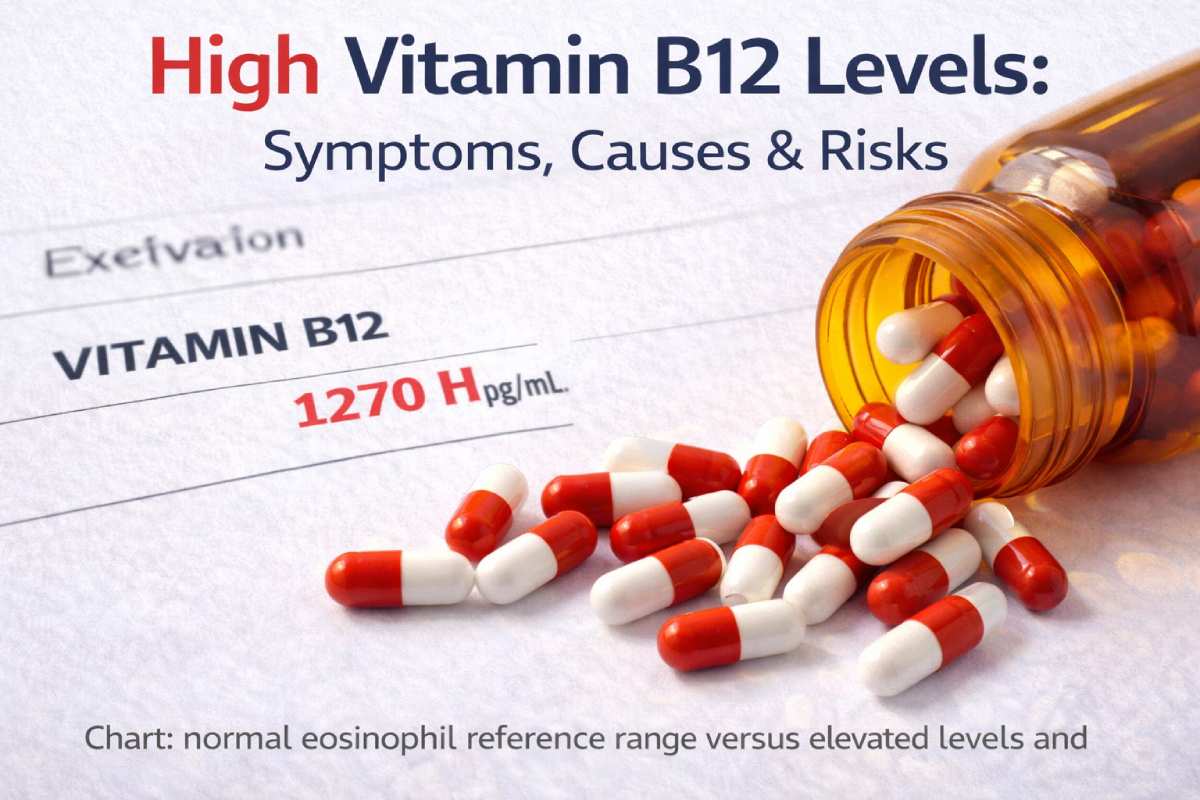
This article belongs in Health TechnologyDoctors measure vitamin B12 levels through a blood test.
Typical reference ranges include:
| Vitamin B12 Level | Interpretation |
| 200 – 900 pg/mL | Normal range |
| 900 – 1200 pg/mL | Slightly elevated |
| Above 1200 pg/mL | High vitamin B12 |
However, laboratory ranges may vary slightly depending on testing methods and population differences.
Elevated vitamin B12 levels may require additional testing to determine the underlying cause.
Many individuals with high vitamin B12 levels experience no noticeable symptoms. However, when symptoms do occur, they may include:
In some cases, these symptoms may actually result from the underlying condition causing elevated B12 levels, rather than the vitamin itself.
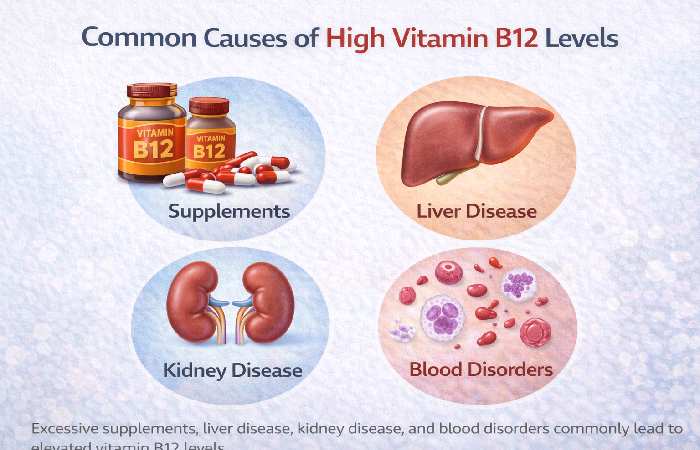
Several factors can lead to elevated vitamin B12 levels.
One of the most common causes of high vitamin B12 levels is excessive intake of supplements.
Vitamin B12 is often included in:
Large doses over time can temporarily increase blood levels.
The liver stores significant amounts of vitamin B12.
Conditions such as:
may release stored vitamin B12 into the bloodstream, leading to elevated levels.
Kidneys help regulate vitamin B12 levels in the body.
When kidney function declines, the body may struggle to remove excess B12, resulting in elevated blood levels.
Certain blood disorders can cause high vitamin B12 levels.
Examples include:
These conditions may increase the proteins that transport vitamin B12 in the bloodstream.
Some cancers can cause abnormal increases in vitamin B12 levels.
Examples include:
Elevated B12 levels in these cases are usually detected during routine blood testing.
Certain individuals may have a higher risk of elevated vitamin B12 levels.
Common risk factors include:
Healthcare providers evaluate vitamin B12 levels in the context of these risk factors.
Most health discussions focus on vitamin B12 deficiency, which is far more common than high B12 levels.
However, both conditions can affect the body in different ways.
| Condition | Common Effects |
| Vitamin B12 deficiency | Fatigue, anemia, nerve damage |
| High vitamin B12 | Often asymptomatic but may indicate underlying disease |
Understanding this difference is important for accurate diagnosis.
Vitamin B12 levels can vary worldwide due to differences in diet and nutrition.
For example:
Laboratory reference ranges may also vary between countries and medical institutions.
Doctors consider these differences when interpreting blood test results.
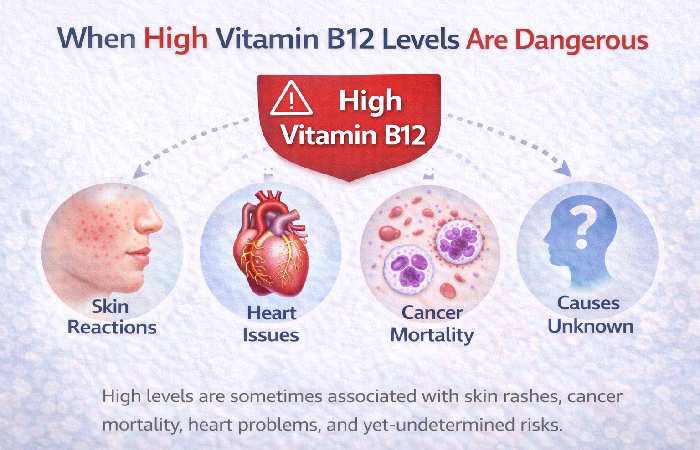
In many cases, elevated vitamin B12 levels themselves are not harmful.
However, very high levels may indicate underlying medical conditions that require further evaluation.
Doctors may investigate if:
Early diagnosis can help detect underlying conditions before they progress.
Doctors use several tests to investigate elevated vitamin B12 levels.
Common diagnostic tests include:
These tests help determine whether high vitamin B12 levels are due to supplementation or underlying disease.
Treatment depends on the underlying cause.
Reduce Supplements
If elevated B12 levels result from excessive supplementation, doctors may recommend reducing or stopping supplements.
Treat Underlying Disease
If high levels are linked to liver disease, kidney disease, or blood disorders, treating the underlying condition becomes the primary focus.
Monitoring
In cases where no immediate cause is found, doctors may monitor vitamin B12 levels over time.
Maintaining balanced vitamin intake is essential for overall health.
Helpful strategies include:
These practices help maintain healthy vitamin B12 levels.
High vitamin B12 levels may cause fatigue, headaches, nausea, anxiety, and nerve-related symptoms in some individuals.
High vitamin B12 levels are usually not harmful by themselves, but they may sometimes indicate underlying health conditions.
Yes. Taking large doses of vitamin B12 supplements can increase blood levels.
Medical evaluation may be necessary if vitamin B12 levels remain elevated or symptoms appear.
Treatment depends on the underlying cause and may involve adjusting supplements or treating medical conditions.
Understanding high vitamin B12 levels and their symptoms is important for interpreting blood test results and identifying possible underlying health conditions. While vitamin B12 is essential for nerve function, red blood cell production, and DNA synthesis, excessively high levels may sometimes signal underlying issues such as liver disease, kidney dysfunction, or blood disorders.
Although many individuals with elevated B12 levels experience no symptoms, persistent abnormalities should be evaluated by healthcare professionals. Regular blood testing, balanced nutrition, and proper supplement use can help maintain healthy vitamin levels and support overall well-being.

Syed Sadiq is a health education content researcher who writes evidence-informed guides on symptoms awareness, preventive health habits, and digital safety topics affecting students and families. His articles focus on helping readers understand health-related information clearly before making decisions. Through DionHealthWeb, he publishes structured health-awareness content designed to support informed conversations between readers and healthcare professionals.