

Meet the people behind this publication


Low hemoglobin is a common medical concern worldwide and is often linked to anemia. Hemoglobin is the protein in red blood cells responsible for carrying oxygen from the lungs to the rest of the body. When hemoglobin levels drop below normal ranges, the body’s tissues may not receive enough oxygen, leading to a variety of symptoms.
Many people discover they have low hemoglobin after routine blood tests, while others experience symptoms such as fatigue, pale skin, or shortness of breath. Understanding the causes and symptoms of low hemoglobin can help individuals recognize when medical attention is necessary.
In this comprehensive guide, we will explore the symptoms of low hemoglobin, the causes behind anemia, how doctors diagnose the condition, and the treatments that may help restore healthy blood levels.
This article belongs in Health TechnologyHemoglobin is a protein found inside red blood cells that plays a critical role in transporting oxygen throughout the body.
Each hemoglobin molecule contains iron, which binds to oxygen in the lungs and releases it to tissues and organs. Without sufficient hemoglobin, the body cannot effectively deliver oxygen to cells.
This oxygen transport system is essential for:
When hemoglobin levels drop too low, the body struggles to perform basic metabolic functions, leading to fatigue and other symptoms.
According to the World Health Organization, hemoglobin carries oxygen from the lungs to the body’s tissues, and low levels reduce the blood’s ability to deliver oxygen effectively.
Hemoglobin levels vary depending on age, sex, and overall health.
| Group | Normal Hemoglobin Level |
| Adult men | 13.8 – 17.2 g/dL |
| Adult women | 12.1 – 15.1 g/dL |
| Children | 11 – 16 g/dL |
| Pregnant women | ≥11 g/dL |
When hemoglobin levels fall below these ranges, doctors may diagnose anemia.
However, the severity of symptoms depends not only on the hemoglobin level but also on how quickly the levels drop.
Clinical guidelines explain that normal hemoglobin levels in adults are generally around 13–17 g/dL for men and 12–15 g/dL for women.

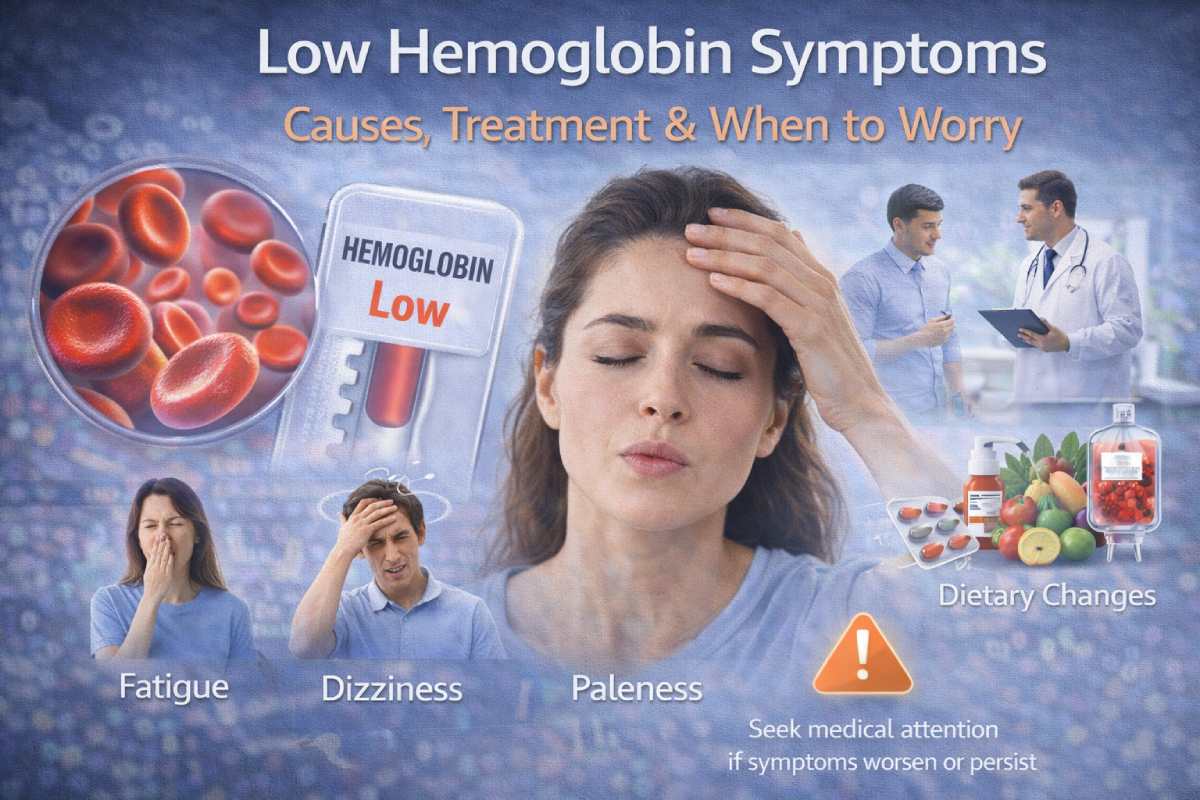
The symptoms of low hemoglobin vary depending on the severity of the deficiency. Some individuals experience mild symptoms, while others develop significant health problems.
One of the most common symptoms of low hemoglobin is persistent fatigue.
When oxygen supply to the body decreases, muscles and organs cannot produce energy efficiently, leading to constant tiredness.
People may notice:
Low hemoglobin often causes the skin to appear pale.
Hemoglobin gives blood its red color, so when levels drop, the skin may lose its natural healthy tone.
Signs may include:
In severe cases, the skin may also appear slightly yellow.
People with low hemoglobin may feel breathless during normal activities.
Since the blood carries less oxygen, the body attempts to compensate by increasing breathing rate.
Shortness of breath may occur during:
Reduced oxygen supply to the brain can cause dizziness.
Individuals may feel:
These symptoms are especially common when standing up quickly.
Low hemoglobin can reduce oxygen supply to the brain, triggering headaches.
These headaches may occur frequently and sometimes feel similar to tension headaches.
The heart works harder to deliver oxygen when hemoglobin levels are low.
This increased workload may cause:
In severe cases, untreated anemia may lead to heart complications.
Poor circulation caused by low hemoglobin can make the extremities feel cold.
Some people also experience numbness or tingling in their fingers and toes.
Low hemoglobin levels are often caused by anemia, which may result from several underlying conditions.
An iron deficiency is the most common cause of low hemoglobin.
Iron is required to produce hemoglobin, so insufficient iron intake or absorption leads to anemia.
Common causes include:
Vitamin B12 and folate are essential for red blood cell production.
Deficiencies in these vitamins may lead to megaloblastic anemia, which reduces hemoglobin levels.
Significant blood loss can reduce the number of red blood cells in the body.
Causes may include:
Certain chronic conditions can affect the body’s ability to produce hemoglobin.
Examples include:
Inherited conditions may also affect hemoglobin production.
Examples include:
These disorders alter the structure or production of hemoglobin.
Doctors diagnose low hemoglobin using blood tests.
The CBC test measures several components of blood, including:
These values help doctors determine whether anemia is present and what type it might be.
Doctors may also order other tests depending on the suspected cause.
These may include:
Accurate diagnosis is essential to determine the most appropriate treatment.
Treatment depends on the underlying cause of the condition.
Iron supplements are commonly prescribed for iron-deficiency anemia.
They help the body produce more hemoglobin and restore normal blood levels.
If vitamin deficiencies are responsible, doctors may recommend:
These nutrients help stimulate red blood cell production.
When chronic diseases cause low hemoglobin, treating the underlying condition becomes the primary focus.
For example:
In severe cases, blood transfusions may be necessary.
This treatment quickly increases red blood cell levels and improves oxygen delivery.
Diet plays an important role in maintaining healthy hemoglobin levels.
| Food | Benefits |
| Red meat | Highly absorbable iron |
| Spinach | Plant-based iron source |
| Lentils | Iron and protein |
| Beans | Iron and fiber |
| Tofu | Iron and plant protein |
Vitamin C helps improve iron absorption.
Examples include:
Vitamin B12 supports red blood cell production.
Foods rich in B12 include:
While mild anemia may not cause severe symptoms, certain signs require medical attention.
Seek medical advice if you experience:
Early diagnosis and treatment can prevent serious complications.
Several lifestyle habits can help maintain healthy hemoglobin levels.
Regular health checkups can also help detect anemia early.
Hemoglobin levels below 7 g/dL are often considered dangerously low and may require immediate medical treatment.
Yes. Fatigue is one of the most common symptoms because the body receives less oxygen when hemoglobin levels are low.
With proper treatment and diet, hemoglobin levels may start improving within a few weeks.
However, full recovery may take several months.
Diet can help improve hemoglobin levels, especially in cases caused by nutrient deficiencies. However, medical treatment may still be necessary in some cases.
Low hemoglobin is a common condition that can significantly affect overall health. Because hemoglobin is responsible for delivering oxygen to the body’s tissues, reduced levels may lead to symptoms such as fatigue, dizziness, and shortness of breath.
Understanding the symptoms of low hemoglobin, recognizing potential causes, and seeking timely medical care are essential steps toward recovery. With appropriate treatment, nutritional support, and regular monitoring, most individuals can restore healthy hemoglobin levels and improve their quality of life.

Syed Sadiq is a health education content researcher who writes evidence-informed guides on symptoms awareness, preventive health habits, and digital safety topics affecting students and families. His articles focus on helping readers understand health-related information clearly before making decisions. Through DionHealthWeb, he publishes structured health-awareness content designed to support informed conversations between readers and healthcare professionals.