

Meet the people behind this publication


Amongst minerals that have been making the rounds of conversation, Magnesium recently tops the list, particularly amongst those who seek better sleep, decreased stress, optimal muscle recovery, and sustained healthy living. When we think of the diverse kinds of Magnesium, magnesium glycinate is generally known to be a highly absorbable and stomach-friendly option. Indonesia’s interest in nutritional supplements continues to bloom, paving way for access and preference of quality magnesium supplementation as a part of their daily lives.
From a working professional navigating city life in Jakarta, an inquisitive student in Bandung, to a training enthusiast in Bali, a good amount have opted to incorporate magnesium glycinate to achieve the recommended daily intake.
This guide will introduce and illuminate magnesium glycinate – what it is, benefits, correct dosage, comparing forms and side effects.
This article belongs in Preventive Health
Magnesium glycinate naturally complexes magnesium with the amino acid glycine, which is calming to the lining (the stomach lining), making it an even more readily usable form and less irritating.
Magnesium glycinate is often regarded as an easy-to-digest form in relation to that of another of the magnesium salts!
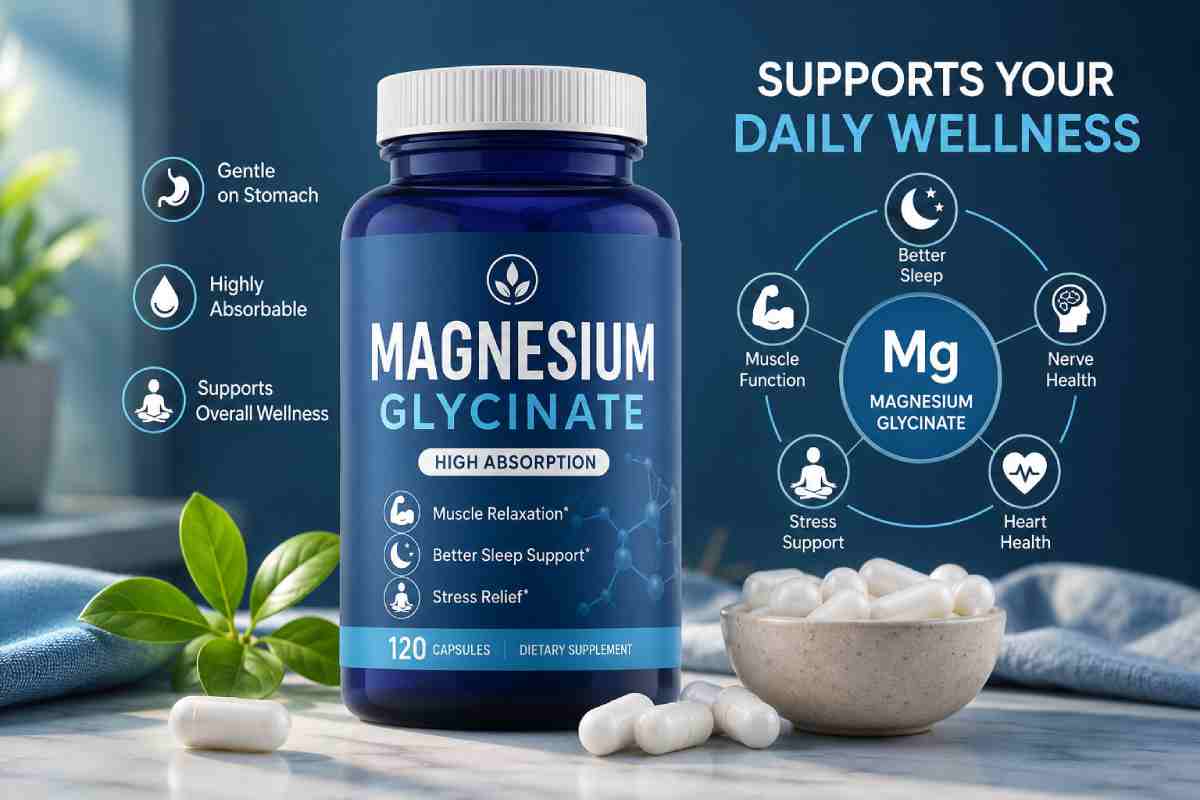
So What is Magnesium Glycinate? Mg glycinate is one of the most commonly taken forms of magnesium supplements. In it, magnesium has been chelated with a really, really abundant amino acid – Glycine (this stuff may just put you to sleep, help with muscle and nerve function, stress reduction, and may confer more general well-being properties).

Magnesium plays a role in over 300 different chemical reactions in your body.
These include:
Magnesium deficiency is believed to produce many of those very symptoms, which impact the ability to get on with life as normal.
Since the symptoms appear over time, many don’t immediately know magnesium deficient.
| Symptom | Possible Cause |
| Muscle cramps | Low magnesium levels |
| Poor sleep | Magnesium deficiency |
| Anxiety | Nervous system imbalance |
| Fatigue | Reduced energy production |
| Frequent headaches | Electrolyte imbalance |
| Eye twitching | Low mineral intake |
| Irregular heartbeat | Severe deficiency |
| Weak muscles | Poor nerve function |
Indonesia’s increasingly rapid pace of life in urban areas leads to less sleep, more consumption of processed foods, and more time at the office. This lifestyle also includes less time for nutrient consumption.
Magnesium glycinate has gained popularity because it offers:
Not every magnesium supplement works the same way.
| Magnesium Type | Absorption | Main Purpose | Digestive Comfort |
| Magnesium Glycinate | Excellent | Sleep, anxiety, muscles | Excellent |
| Magnesium Citrate | High | Constipation relief | Moderate |
| Magnesium Oxide | Low | Heartburn | Low |
| Magnesium Malate | High | Energy support | Good |
| Magnesium Threonate | High | Brain health | Excellent |
| Magnesium Chloride | Moderate | General supplementation | Good |
| Magnesium Sulfate | Medical use | Short-term treatment | Not for regular supplementation |
Out of these supplements, magnesium glycinate is typically encouraged to be taken long-term since its absorption rates are quite high and it is quite well tolerated.
1. Supports Better Sleep
One of the main benefits to taking magnesium glycinate is its relaxation properties. It works with magnesium for the body to calm down before heading to bed for the night.
People often report:
Modern lifestyles expose many people to daily stress.
Magnesium helps promote optimal function of the nervous system and can help to influence the regulation of neurotransmitters that promote a state of relaxation.
Possible benefits include:
People who are highly active andAthletess typically often utilize it, that’s called magnesium.
It may help:
What’s more, it is essential for helping your muscles to contract properly. Your heart is actually a muscle.
Adequate magnesium intake supports:
Approximately 60% of the body’s magnesium is stored in bones.
It works alongside:
Together, these nutrients help maintain healthy bone structure.
Magnesium is necessary for producing ATP, the body’s primary energy molecule.
Low magnesium levels may contribute to:
Research shows magnesium can affect normal functioning and maintenance of Insulin and healthy glucose in the system.
Magnesium Supplement For adults that are not eating enough magnesium in there diet, then supplementation could be a great benefit.
| Group | Potential Benefit |
| Office workers | Stress support |
| Students | Better sleep |
| Athletes | Muscle recovery |
| Older adults | Bone health |
| Busy professionals | Energy support |
| People with muscle cramps | Muscle relaxation |
| Individuals with poor sleep | Improved sleep quality |
While supplements may be easier in many regards, food will always be the better choice when available.
| Food | Magnesium Content |
| Spinach | High |
| Almonds | High |
| Pumpkin seeds | Very High |
| Cashews | High |
| Dark chocolate | Moderate |
| Avocado | Moderate |
| Bananas | Moderate |
| Brown rice | Moderate |
| Beans | High |
| Tofu | Moderate |
The recommended intake varies by age and sex.
| Age Group | Daily Intake |
| Adult Men | 400–420 mg |
| Adult Women | 310–320 mg |
| Pregnant Women | 350–360 mg |
| Breastfeeding Women | 310–320 mg |
Supplement dosage should be individualized and should not exceed recommended amounts without medical advice.
For most adults:
Magnesium glycinate is generally well tolerated.
Possible side effects include:
Severe reactions are rare but require medical attention.
Consult a healthcare professional before taking magnesium glycinate if you:
| Feature | Magnesium Glycinate | Magnesium Citrate |
| Sleep Support | Excellent | Good |
| Muscle Relaxation | Excellent | Good |
| Absorption | Very High | High |
| Constipation Relief | Mild | Excellent |
| Stomach Comfort | Excellent | Moderate |
| Long-Term Use | Excellent | Good |
When shopping for supplements, consider the following factors:
| Buying Factor | Why It Matters |
| Third-party testing | Confirms quality |
| Ingredient transparency | Avoids hidden additives |
| Chelated magnesium | Better absorption |
| Minimal fillers | Cleaner formula |
| Trusted manufacturer | Greater reliability |
| Clear dosage information | Easier daily use |
| Expiration date | Ensures freshness |
Store magnesium glycinate:
Avoid storing supplements in humid environments such as bathrooms.
| Myth | Reality |
| It works overnight | Benefits often develop over days or weeks with consistent use. |
| More is always better | Excess intake can increase the risk of side effects. |
| Everyone needs supplements | Many people meet their needs through diet alone. |
| All magnesium supplements are identical | Different forms vary in absorption and intended use. |
| It replaces healthy habits | Supplements complement—not replace—a balanced diet and healthy lifestyle. |
To get the most from magnesium glycinate:
Overall, magnesium glycinate has developed a stellar reputation as a reliable choice for the most well-tolerated and best absorbed magnesium supplement. Thanks to this effective absorption, it provides diverse support for sleep and muscle health that are generally well tolerated by most adults in Indonesia, along with nerve function, relaxation and an array of benefits for general wellbeing.
Remember, supplements are most successful when complemented by diet, regular movement, sufficient sleep, and with the guidance of healthcare. Consult your doctor for pre-treatment use in if you’re expecting, nursing or taking any medication.

Syed Sadiq is a health education content researcher who writes evidence-informed guides on symptoms awareness, preventive health habits, and digital safety topics affecting students and families. His articles focus on helping readers understand health-related information clearly before making decisions. Through DionHealthWeb, he publishes structured health-awareness content designed to support informed conversations between readers and healthcare professionals.