

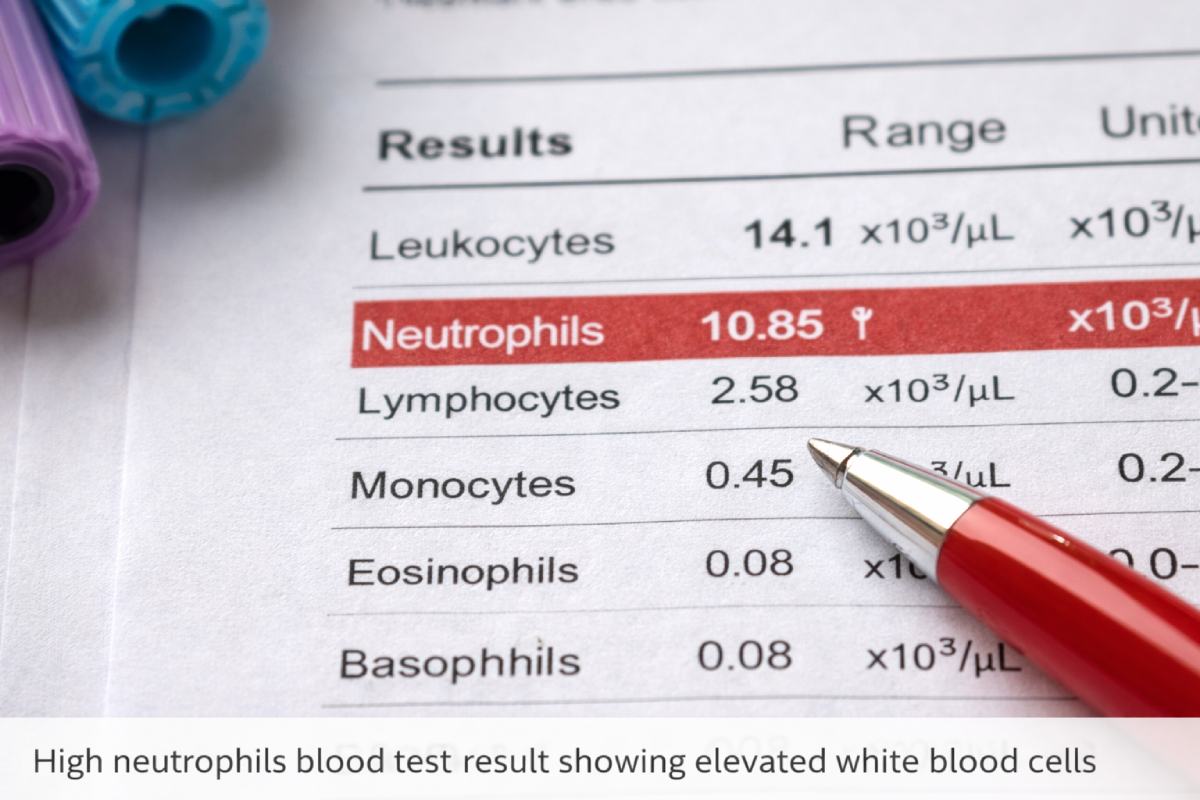
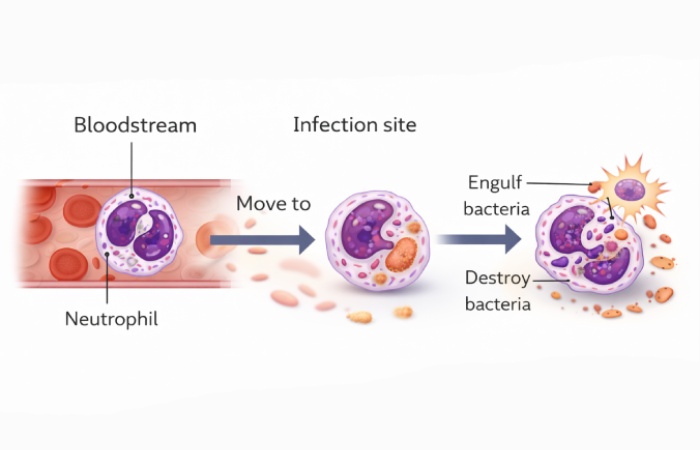
Neutrophils are the most abundant type of white blood cells in the human immune system. Their primary role is to detect and destroy harmful microorganisms, particularly bacteria and fungi.
When a blood test shows elevated neutrophil levels, it typically means that the body is responding to a threat or stressor. This increase helps the immune system fight infections more effectively.
However, high neutrophil levels do not always indicate infection. They may also occur due to inflammation, physical stress, medication effects, or underlying medical conditions.
Doctors often refer to high neutrophil levels as neutrophilia. This condition can be temporary and harmless, but in some cases it may signal more significant health issues that require medical attention.
Understanding what high neutrophils mean requires looking at several factors, including symptoms, medical history, and additional blood test results.
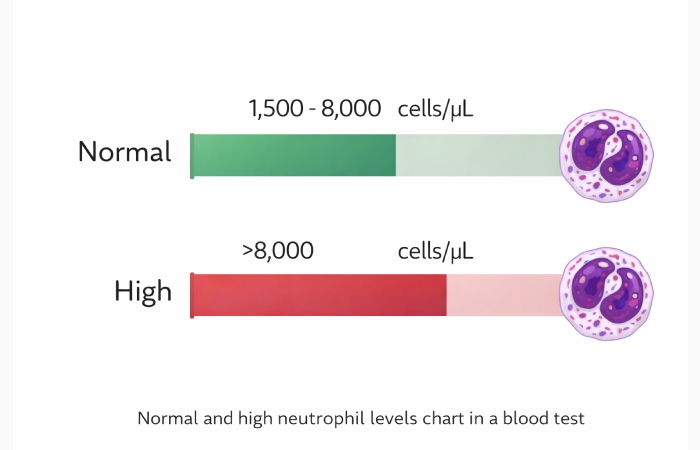
To understand when neutrophils are considered high, it is important to know the normal range.
| Measurement | Normal Range |
| Absolute neutrophil count (ANC) | 1,500 – 8,000 cells per microliter |
| Percentage of white blood cells | 40% – 60% |
Levels above these ranges may indicate neutrophilia.
Doctors usually evaluate neutrophil levels as part of a complete blood count (CBC) test, which measures various components of blood including red cells, white cells, and platelets.
Neutrophil elevation can be classified into different levels.
| ANC Level | Interpretation |
| 8,000 – 10,000 | Mild increase |
| 10,000 – 20,000 | Moderate neutrophilia |
| Above 20,000 | Severe neutrophilia |
Severely elevated neutrophils may suggest serious infections or inflammatory conditions that require medical evaluation.
Several factors can cause neutrophil levels to rise.
The most common cause of neutrophilia is bacterial infection.
When bacteria enter the body, neutrophils are quickly released from the bone marrow into the bloodstream to fight the infection.
Examples include:
During severe infections, neutrophil levels may rise significantly as the immune system attempts to control the disease.
Inflammatory conditions can also trigger neutrophil elevation.
Examples include:
Inflammation activates the immune system, which leads to increased production of neutrophils.
Stress can temporarily increase neutrophil levels.
Examples include:
These increases are usually temporary and return to normal once the stressor is resolved.
Smoking can lead to chronic inflammation in the body.
Long-term smokers often have higher neutrophil levels due to continuous immune system activation.
Certain medications can increase neutrophil counts.
Examples include:
These drugs may stimulate bone marrow to release more neutrophils.
In rare cases, very high neutrophil levels may indicate blood-related conditions such as:
These conditions usually require specialized medical testing for diagnosis.
High neutrophils themselves usually do not cause symptoms. Instead, symptoms are related to the underlying condition.
Common symptoms may include:
If neutrophilia is caused by infection, symptoms may improve once the infection is treated.
Doctors typically detect high neutrophils during a complete blood count test.
This test measures several important blood components.
| Blood Component | Function |
| Red blood cells | Carry oxygen |
| White blood cells | Fight infection |
| Platelets | Help blood clot |
| Neutrophils | Destroy bacteria |
If neutrophil levels are elevated, doctors may order additional tests to determine the cause.
White blood cells include several different types.
| White Blood Cell | Function |
| Neutrophils | Fight bacterial infections |
| Lymphocytes | Fight viruses |
| Monocytes | Remove dead cells |
| Eosinophils | Respond to allergies and parasites |
| Basophils | Trigger inflammatory responses |
Each type of white blood cell plays a unique role in the immune system.
Normal blood test ranges can vary slightly depending on factors such as:
For example, some populations may have slightly lower or higher neutrophil counts due to genetic variations.
Doctors typically interpret results using reference ranges specific to the laboratory performing the test.
Mild increases in neutrophils are common and often harmless.
However, medical evaluation may be necessary if:
Persistent neutrophilia may indicate underlying health problems that require further investigation.
Doctors may perform several tests to identify the cause of high neutrophils.
These tests help determine whether the increase is due to infection, inflammation, or another condition.
Treatment focuses on addressing the underlying cause.
Antibiotics
If a bacterial infection is responsible, antibiotics may be prescribed.
Anti-inflammatory medications
Inflammatory conditions may require medications that reduce immune system activity.
Lifestyle changes
If neutrophilia is related to smoking or stress, lifestyle modifications may help normalize levels.
Treatment of underlying disease
In rare cases involving blood disorders, specialized medical treatment may be required.
Maintaining a healthy immune system can help regulate white blood cell levels.
Helpful strategies include:
These habits support overall immune function.
High neutrophils usually indicate that the body is responding to infection, inflammation, stress, or another immune system trigger.
Mild increases are usually harmless, but extremely high levels may indicate serious infections or medical conditions.
Yes. Physical or emotional stress can temporarily increase neutrophil levels.
Treatment depends on the underlying cause, such as infection, inflammation, or medication effects.
Medical advice is recommended if neutrophil levels remain high, symptoms are severe, or other blood abnormalities appear.
Understanding what high neutrophils mean is important for interpreting blood test results and identifying potential health concerns. While elevated neutrophil levels are often a natural response to infection or inflammation, persistent or extremely high levels may signal underlying medical conditions that require further evaluation.
By recognizing the causes, symptoms, and treatment options associated with neutrophilia, individuals can better understand their health and seek appropriate medical care when necessary. Regular health checkups and timely medical advice remain essential for maintaining balanced immune function and overall well-being.