
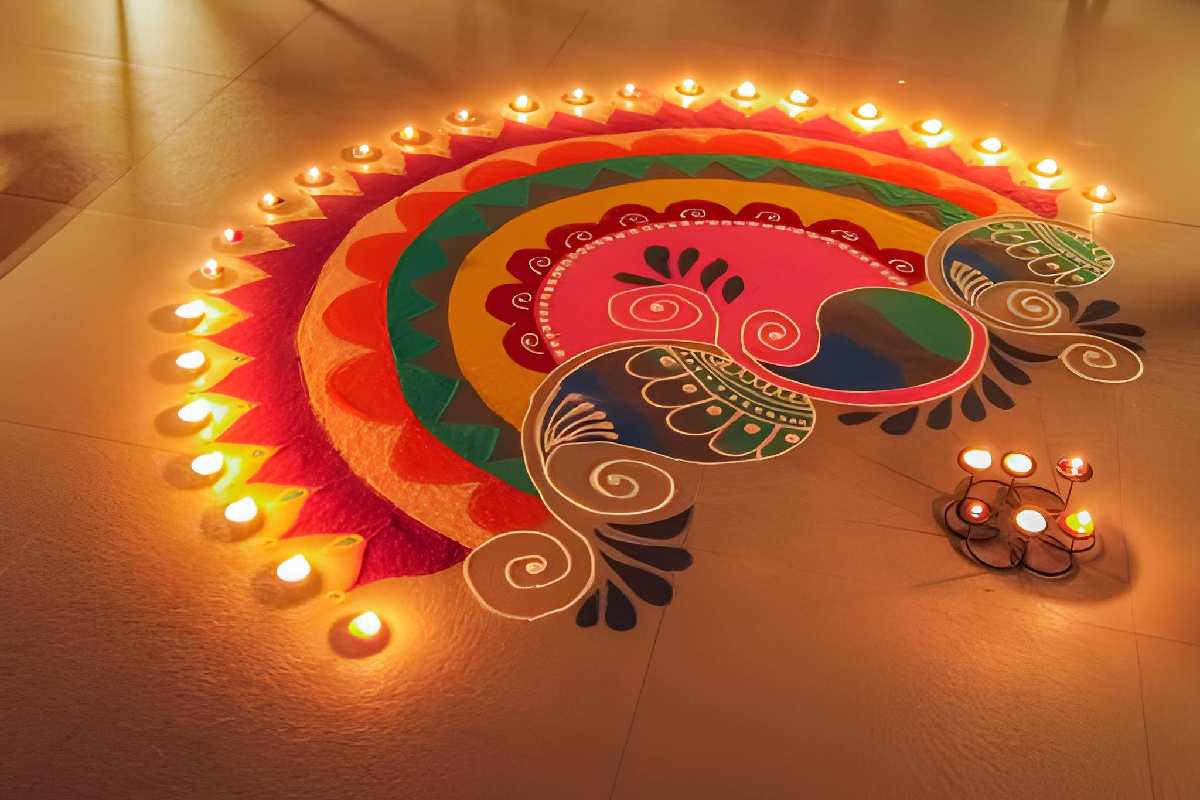
If you’re searching for Rangoli Designs For Diwali 2026, you’re likely planning beautiful festive decorations and looking for inspiration that combines tradition with modern style. Rangoli has always been a core part of Diwali celebrations, but today it has evolved into a blend of cultural expression, creativity, sustainability, and even technology.
From eco-friendly rangoli patterns to AI-inspired designs and minimalist aesthetics, modern rangoli reflects both heritage and innovation. Whether you’re decorating your home entrance, preparing for a wedding celebration, or creating festive social media content, this comprehensive guide will help you explore the latest rangoli ideas for 2026.
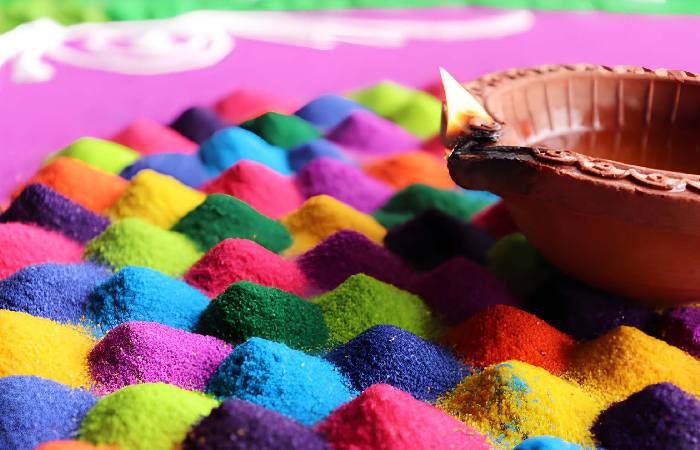
Rangoli is a traditional Indian floor art created using colored powders, rice flour, flower petals, sand, or decorative materials. It originated in the Indian subcontinent and is commonly made during festivals such as Diwali, Pongal, and Onam, among others.
The word “rangoli” comes from the Sanskrit rangavali, meaning “rows of color,” reflecting its vibrant artistic nature.
Traditionally, rangoli symbolizes:
During Diwali, especially, rangoli is believed to invite positive energy and prosperity into homes while enhancing the festive atmosphere.
It is more than decoration — it is a spiritual and artistic tradition passed down through generations.
Despite modernization, rangoli remains deeply relevant today.
Rangoli connects younger generations to tradition while allowing creative expression.
Families often create rangoli together, strengthening bonds during festivals.
Platforms like Instagram and Pinterest have made rangoli global, inspiring new styles.
Eco-friendly rangoli reflects modern environmental consciousness.
In essence, rangoli represents continuity — blending heritage with evolving aesthetics.
Sustainability is one of the biggest festival trends.
Popular eco materials include:
Rice flour rangoli traditionally symbolized offering sustenance back to nature, reflecting harmony with the environment.
Rangoli Designs for Diwali 2026, Eco-friendly rangoli is visually beautiful and environmentally responsible.
Modern homes often favor clean, elegant designs.
Characteristics:
These are perfect for:
Minimalist rangoli photographs well and suits modern lifestyles.
Technology is reshaping traditions.
Recent trends include:
AI tools allow users to generate creative rangoli designs using simple prompts, blending tradition with innovation.
This trend is growing rapidly among younger audiences.
Combining rangoli with lighting enhances visual impact.
Popular ideas:
This creates a magical evening ambiance.
3D rangoli creates a sense of depth through shading techniques.
Advantages:
These designs often go viral on social media.
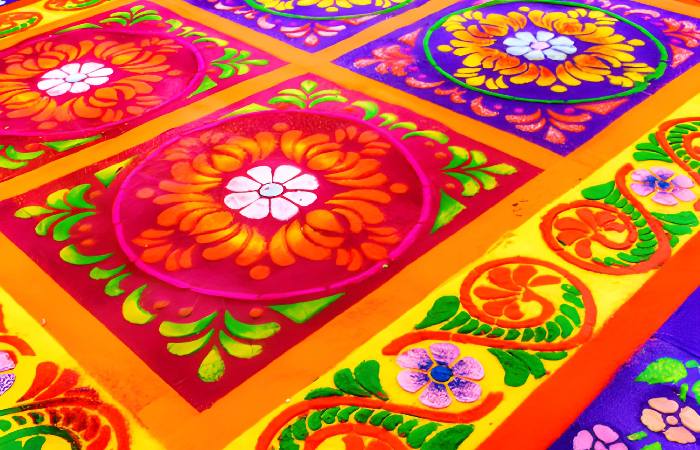
Timeless and elegant.
Benefits:
Flower rangoli symbolizes purity and growth.
Represents beauty and prosperity.
Common features:
Perfect for large entrances.
Symbolizes the festival of lights.
Common elements:
Classic Diwali theme.
Traditional welcoming symbol.
Associated with:
Often placed near entrances.
Modern aesthetic choice.
Advantages:
Very popular in urban homes.
If you’re new, start simple.
Simple rangoli often looks more elegant than overly complex designs.
Consistency matters more than complexity.
Historically, rangoli began with simple rice flour designs before evolving into colorful decorative patterns.
These enhance durability and aesthetics.
Ideal locations:
Traditionally, rangoli at entrances symbolizes welcoming prosperity and guests.
Proper placement enhances both cultural significance and visual appeal.
Creates clutter.
Stick to 3–5 colors.
Balance is essential.
Use dot grids if needed.
Always clean the floor first.
Dust affects design clarity.
Simple often looks better.
Focus on neat execution.
Ensures smooth application.
Use chalk or white powder.
Work from the center outward.
Flowers, diyas, stones.
Enhance edges and symmetry.
Technology has expanded the range of rangoli globally.
Trends include:
Social media helps preserve tradition while encouraging innovation.
Rangoli is also created during:
It marks celebration, devotion, and new beginnings.
This highlights its cultural depth.
Rangoli represents:
It is believed to bring balance, good health, and happiness into homes.
This spiritual aspect keeps the tradition alive.
To welcome prosperity, celebrate light over darkness, and express creativity.
Simple floral or geometric patterns.
Usually 1–3 days indoors.
Yes — use flowers, grains, and natural colors.
Primarily Indian but now global.
For more information, please visit our website: Dion Health Web.
Whether you prefer traditional floral art, eco-friendly designs, or modern digital creativity, Rangoli Designs For Diwali 2026 beautifully combine heritage with contemporary expression.
As Diwali continues to evolve, rangoli remains a powerful symbol of celebration, culture, creativity, and positivity, making it one of the most cherished festival traditions worldwide.