

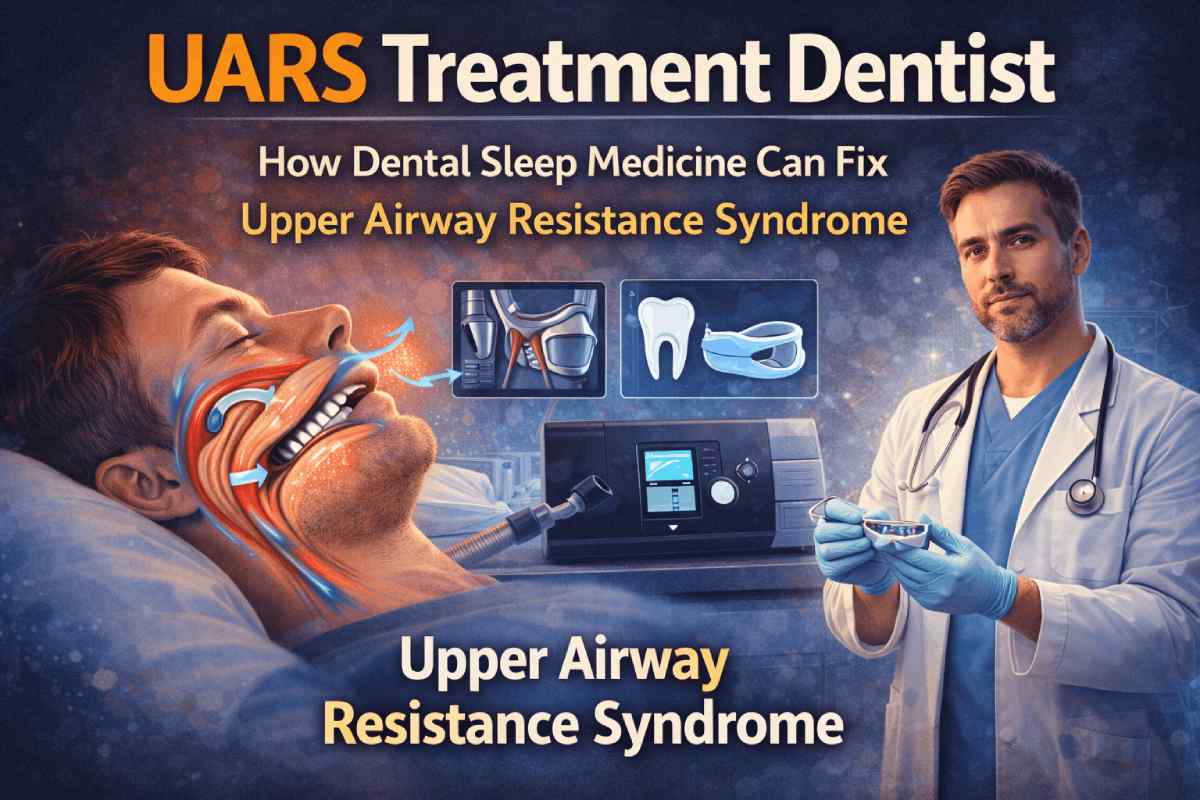
UARS Treatment Dentist – Upper Airway Resistance Syndrome (UARS) is one of the most underdiagnosed sleep-related breathing disorders in modern clinical medicine. Unlike obstructive sleep apnea (OSA), UARS does not always present with full airway collapse. Instead, patients experience subtle airflow resistance that increases breathing effort during sleep — leading to sleep fragmentation, fatigue, cognitive dysfunction, anxiety, and chronic daytime tiredness.
This is where a UARS treatment dentist plays a pivotal role.
Dental sleep medicine specialists are increasingly becoming first-line treatment providers for patients who:
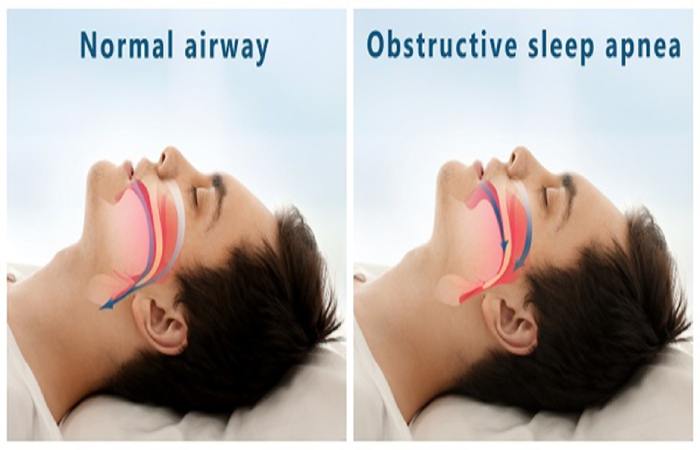
| UARS Symptoms | Daytime Effects |
| Frequent awakenings | Chronic fatigue |
| Snoring without apnea | Brain fog |
| Insomnia | Headaches |
| Cold hands/feet | Mood disturbances |
| Anxiety | Poor focus |
| Teeth grinding | Non-refreshing sleep |
These anatomical conditions fall directly within the scope of airway-focused dental professionals, making dentists critical to long-term management.
A dentist trained in dental sleep medicine evaluates:
Based on these assessments, they typically prescribe:
The most common dental treatment for UARS is a:
This device:
Clinical trials demonstrate that long-term use of MAD therapy significantly:
| Treatment Type | Provider | Invasiveness | Compliance Rate | Effectiveness for UARS |
| CPAP Therapy | Sleep Physician | Low | Low-Moderate | Moderate |
| Oral Appliance Therapy | Dentist | Low | High | High |
| Myofunctional Therapy | Therapist | None | Moderate | Supportive |
| Nasal Dilators | ENT | None | Moderate | Limited |
| Orthodontic Expansion | Dentist | Moderate | High | High |
| Maxillomandibular Surgery | Surgeon | High | High | Very High |
| Treatment Method | Average Cost (USD) | Cost (INR Approx.) | Longevity | Insurance Coverage |
| CPAP Machine | $800 – $2500 | ₹66,000 – ₹2,07,000 | 3–5 yrs | Partial |
| Custom MAD Device | $1500 – $5000 | ₹1.2L – ₹4.1L | 3–7 yrs | Varies |
| Myofunctional Therapy | $500 – $2000 | ₹41,000 – ₹1.6L | Ongoing | Rare |
| Orthodontic Expansion | $3000 – $8000 | ₹2.4L – ₹6.6L | Permanent | Rare |
| Jaw Surgery (MMA) | $20,000+ | ₹16L+ | Permanent | Partial |
Oral appliances remain the most widely accepted dentist-based therapy due to:
Follow-up sleep studies are typically recommended to verify appliance effectiveness and prevent occlusal changes over time
Most side effects are temporary:
These are generally manageable through periodic adjustment by your dentist.
You should consider consulting an airway dentist if you:
Dental sleep medicine provides a structural solution to airflow resistance — addressing anatomical contributors rather than relying solely on airflow pressure devices.
Upper Airway Resistance Syndrome can significantly affect quality of life even when conventional sleep studies appear normal. Dentists trained in airway management offer effective treatment pathways through oral appliance therapy and orthodontic intervention.
With increasing clinical evidence supporting mandibular advancement devices for improving sleep quality and reducing respiratory disturbances in UARS patients, dental-based therapy has emerged as one of the most practical long-term solutions available today
If CPAP therapy has failed or symptoms persist despite medical management, consulting a UARS treatment dentist may provide the anatomical correction necessary for restorative sleep.